Rummy Good: A Practical Guide to Finding and Comparing Rummy-Style Apps in India
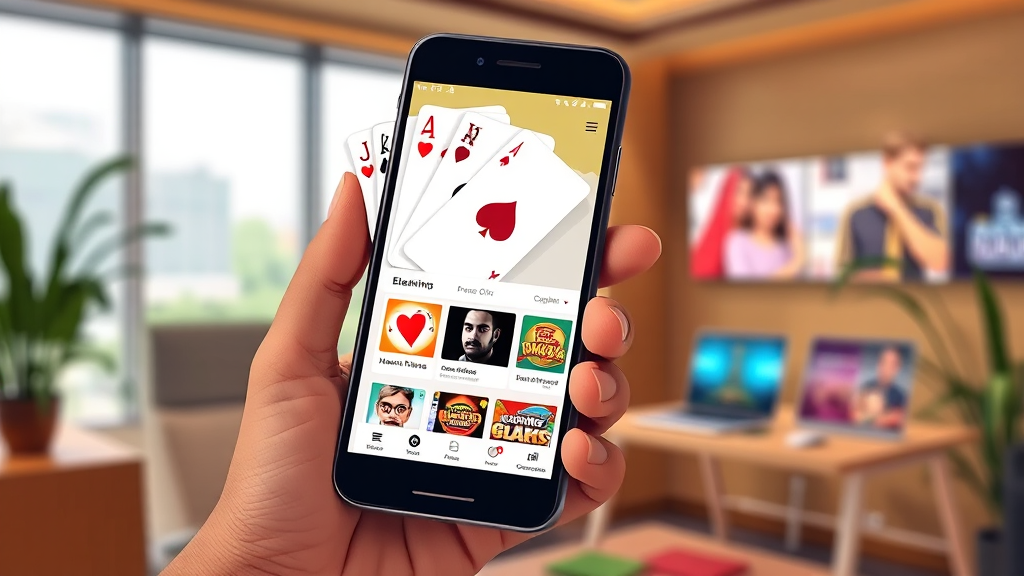
If you have ever typed “rummy good” into a search bar, you were probably not looking for a history lesson on card games. You were looking for a straight answer: which rummy-style app is actually worth your time, and how do you tell the difference between a polished product and a forgettable one? That is exactly the gap that discovery platforms try to fill. On a mobile-first hub like Rummy Good, the goal is not to push you toward a single app but to give you rankings, promo snapshots, and detail pages so you can compare options before you commit your attention to any one of them.
This guide walks through what “rummy good” should really mean in practice, how to read app rankings without getting fooled by flashy badges, and how to build a personal shortlist that matches your device, your data plan, and the way you actually play.
What “Rummy Good” Means for a Real Player
The phrase sounds casual, but it hides a fairly specific set of expectations. When an Indian mobile user says an app is “rummy good,” they usually mean several things at once. The interface should be readable on a mid-range phone. The card animations should not stutter on a 4G connection. The lobby should not bury the actual game under five layers of pop-ups. And the rules should be clear enough that a new player can follow a hand without opening a separate tutorial.
There is also a social layer to the phrase. Rummy-style games in India are often played in groups, and a good app respects that. It lets you see who is online, it does not force awkward interactions, and it keeps the pace of a table moving. A slow table is worse than a hard table, because boredom is what makes people close an app and never reopen it.
Finally, “good” includes trust signals. Does the app explain its rules plainly? Does it show clear information about what you are signing up for? Does it avoid dark patterns that make it hard to leave a screen? These are not glamorous features, but they are the difference between an app you keep for a month and an app you delete in a week.
Why Discovery Hubs Beat Random App Store Scrolling
Most people find card-game apps the same way they find everything else: they scroll an app store, tap the first result with a decent rating, and hope for the best. That approach has two problems. First, app store rankings are influenced by factors that have nothing to do with whether you personally will enjoy the game. Second, the screenshots are curated to look their best, which tells you very little about how the app behaves after the first five minutes.
A discovery hub takes a different approach. Instead of showing you one app, it shows you a ranked set and lets you compare. That is the model behind platforms like All 3 Pattis, which positions itself as a mobile-first discovery and ranking space for Teen Patti, rummy-style, and table-game apps in India. The value is not in the ranking itself but in the comparison: you can look at several apps side by side, check promo snapshots, and read detail pages before you tap through to a destination app.
This matters because rummy-style apps are not interchangeable. Some are built for quick sessions during a commute. Others are designed for longer evening play. Some lean heavily on tournaments, others on casual tables. A ranking list helps you narrow the field, but the final decision still depends on what you want from the game.
How to Read a Rummy-Style App Ranking Without Getting Fooled
Rankings are useful, but only if you understand what they are measuring. A leaderboard on a discovery site is usually a snapshot, not a permanent truth. Apps update, promos change, and user preferences shift. So treat any ranking as a starting point rather than a verdict.
Here is a practical way to read one:
1. Look at the categories, not just the order. A good ranking page groups apps by style, audience, or feature set. If everything is dumped into one list, the ranking is probably shallow.
2. Check the date. A promo snapshot from six months ago is not a promo snapshot. Live apps change their offers frequently, and a discovery site that does not timestamp its information is harder to trust.
3. Read the detail page. The ranking tells you that an app is popular. The detail page tells you why. Look for information about game modes, table sizes, and how the app handles new players.
4. Verify on the destination. This is the most important step. Discovery sites are discovery-only. They route you outward to the actual app or website, and the live terms, promos, and URLs are controlled by the destination. Always confirm the current details there before you act on anything.
Building Your Own Shortlist: A Step-by-Step Approach
Rather than trusting a single ranking, build a shortlist of three to five rummy-style apps and test them against your own habits. Here is a simple process that works on almost any phone.
Step one: define your session length. If you mostly play in ten-minute bursts, prioritize apps with fast matchmaking and short rounds. If you prefer longer sessions, look for apps with deeper table structures and more social features.
Step two: check the device load. Install one app at a time and watch how it behaves. Does it heat up your phone? Does it drain battery quickly? Does it need constant updates? These practical details matter more than any badge.
Step three: test the onboarding. A good app teaches you the rules without making you feel stupid. If the first five minutes are confusing, the next five hours will not be better.
Step four: compare the social layer. Rummy-style games are more fun with other people. Check whether the app makes it easy to find tables, see who is active, and play at a comfortable pace.
Step five: revisit the ranking. After you have tried a few apps, go back to the discovery hub and see whether your personal experience matches the listed order. Often it will, and sometimes it will not. That gap is useful information.
Promo Snapshots: Useful, But Read Them Carefully
Promo snapshots are one of the most clicked parts of any app discovery site, and for good reason. People want to know what they are getting before they invest time. But promos are also the most volatile part of the ecosystem. An offer that was live last week may have changed, expired, or been replaced by something entirely different.
That is why the sensible approach is to treat promo snapshots as directional rather than definitive. They tell you what an app has been promoting recently, which is a useful signal about where the app is investing its energy. They do not tell you what you will see when you open the app today.
A trustworthy discovery platform will say this plainly. It will note that it is a discovery-only service and that users should verify live offers and URLs on the destination. That kind of transparency is a good sign. If a site promises guaranteed rewards or implies that its snapshot is the final word, that is a reason to slow down.
Device and Data Realities for Indian Mobile Users
India is a mobile-first market, and that shapes everything about how card-game apps should be evaluated. Many users are on mid-range Android devices, often with limited storage and variable network quality. A rummy-style app that looks beautiful on a flagship phone may feel sluggish on a more modest device.
So when you evaluate an app, think about your actual conditions, not the ideal ones. Does the app work well on a 4G connection? Does it handle a brief network drop without crashing? Does it let you resume a game if you get a call? These are the details that determine whether an app feels “good” in daily use.
Storage is another factor. If you are juggling several apps, install size matters. A lightweight app that runs smoothly often beats a heavy app with more features that you never use. The best app is the one that fits your phone and your routine.
Reading Detail Pages Like a Researcher
Detail pages are where discovery sites earn their keep. A good detail page does more than repeat the app’s marketing copy. It organizes information so you can make a decision quickly. Look for clear sections on game modes, table types, and what makes the app distinct.
As you read, ask three questions. What is this app optimized for? Who is it designed for? And what does it expect from me? An app optimized for quick casual play will feel different from one built around longer competitive sessions. Neither is better in the abstract, but one may be better for you.
It also helps to read across multiple detail pages rather than just one. Comparison is what turns a list of apps into a genuine shortlist. If two apps look similar on the surface, the detail pages often reveal small differences that matter a lot in practice.
Common Mistakes When Searching for “Rummy Good” Apps
The search phrase itself is a clue that people are looking for a shortcut. That is understandable, but shortcuts can lead to poor choices. Here are the mistakes that come up most often.
Trusting a single rating. One number cannot capture whether an app suits your play style. Look at multiple signals.
Ignoring the update history. An app that has not been updated in months may have compatibility issues on newer phones.
Overweighting visuals. A polished lobby is nice, but the actual game experience is what you will spend your time on.
Skipping the verification step. Always confirm live details on the destination before acting on a promo or offer.
Downloading too many apps at once. It is hard to evaluate five apps fairly if you install them all in one afternoon. Slow down and test one at a time.
Where All 3 Pattis Fits In
All 3 Pattis is a mobile-first discovery and ranking hub focused on Teen Patti, rummy-style, and table-game apps for Indian users. It provides rankings, promo snapshots, and app detail pages, then routes users outward to the destination apps. The site is clear that it is discovery-only, which is an important distinction. It is not the game itself; it is the map.
For someone searching for “rummy good,” that map is genuinely useful. It saves time, it encourages comparison, and it makes the ranking process more transparent than a blind app store scroll. The key is to use it as intended: as a starting point for your own evaluation, not as a substitute for it.
Frequently Asked Questions
What does “rummy good” actually mean when people search for it?
It is a casual way of asking which rummy-style app is worth using. In practice, it covers interface quality, smooth performance on mid-range phones, clear rules, a comfortable social layer, and trustworthy information about what you are signing up for.
Are app ranking sites reliable for choosing a rummy-style app?
They are useful as a starting point, not as a final verdict. Rankings are snapshots and can change as apps update and promos shift. Use them to build a shortlist, then verify details on the destination app before making a decision.
Why do discovery sites say they are discovery-only?
Because they do not operate the games themselves. They provide rankings, promo snapshots, and detail pages, then route users outward to the actual apps. That means live offers, terms, and URLs are controlled by the destination, so users should always confirm current details there.
How many rummy-style apps should I try at once?
Try one at a time. Installing several apps in one session makes it hard to evaluate performance, battery use, and interface quality fairly. A focused test of three to five apps over a couple of weeks gives you a much clearer picture.
What should I check on a detail page before choosing an app?
Look for game modes, table types, how new players are handled, and what the app is optimized for. Then compare those details across two or three apps so you can see the differences that matter for your own play style.
Final Thoughts
Searching for “rummy good” is really a search for clarity. You want to know which app deserves your time, and you want a fair way to compare the options. Discovery hubs help by turning a crowded market into a readable list with rankings, promo snapshots, and detail pages. But the final decision is still yours, and it should be based on how you actually play, what device you use, and what kind of experience you are looking for.
Use rankings as a guide, read detail pages carefully, verify live details on the destination, and test apps one at a time. Do that, and “rummy good” stops being a vague hope and becomes a decision you can stand behind.