Desentupidora em Sorocaba SP: What Experienced Users Do Differently
By the end of this article, you will know exactly how an experienced property manager handles a blocked drain compared with a first-timer — and you will be able to choose a desentupidora em Sorocaba SP with the same confidence. The difference is not luck or a secret phone number. It is a set of small decisions made before the technician arrives and a few questions asked while the work is still under warranty.
Beginners usually call the first company that answers and hope for the best. Experienced users treat the call as a short technical interview. They describe the symptom, the building type and the time of day, and they expect a clear scope before anyone touches a pipe.
Mistake 1: Calling an Emergency Line for a Slow Drain
A slow drain is not the same as a flood. Beginners panic and pay emergency rates for a problem that could wait until morning. Experienced users separate urgent from inconvenient and only escalate when water is backing up into living areas or multiple fixtures are failing at once.
Before you dial, note which fixtures are affected. One slow sink points to a local clog. Two sinks and a shower draining slowly suggests a shared branch line. A gurgling toilet plus a backed-up floor drain usually means the main sewer line is involved, and that is when a desentupidora Sorocaba team with proper equipment becomes necessary rather than optional.
What to say on the phone
- State the property type: house, apartment, commercial kitchen or condominium.
- Describe the symptom precisely: slow, completely blocked, backing up, or foul odor only.
- Mention how many fixtures are affected and for how long.
- Ask whether the visit includes a camera inspection or only mechanical clearing.
Precise symptoms save money because the dispatcher can send the right equipment on the first trip instead of scheduling a second visit.
Mistake 2: Assuming Every Clog Needs the Same Tool
Beginners think a plunger, a drain snake and a hydrojet are interchangeable. They are not. Each tool solves a different physical problem, and using the wrong one can push grease deeper or damage older pipes.
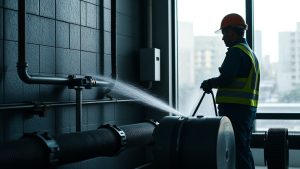
A plunger works on soft, localized blockages near the fixture. A manual or electric snake is better for hair and soap buildup in branch lines. Hydrojetting uses high-pressure water to scour grease, scale and roots from the pipe wall, which is why it is the standard choice for recurring restaurant and condominium lines.
Matching the tool to the blockage
| Blockage type | Typical first tool | Why it matters |
|---|---|---|
| Hair and soap in a bathroom sink | Hand snake | Cheap, fast and avoids chemical damage |
| Grease in a kitchen line | Hydrojetting | Removes the coating, not just the center hole |
| Roots in the main sewer | Cutting nozzle on a jetter | Clears the intrusion and restores flow |
| Unknown recurring backup | Camera inspection first | Reveals the cause before spending on repeated clears |
Experienced users ask which method will be used and why. That single question separates a professional diagnosis from a quick plunge-and-invoice visit.
Mistake 3: Skipping the Paper Trail and the Follow-Up
A beginner pays cash, gets no receipt and has no record of what was done. An experienced user asks for a service note that lists the affected line, the method used and any recommendation for follow-up. This matters most in rented properties and condominiums, where the bill may be shared or disputed later.
They also schedule preventive maintenance instead of waiting for the next emergency. Grease traps, floor drains and septic tanks have predictable intervals, and a planned cleaning is almost always cheaper than a midnight call-out. If you manage a building, keep a simple log of every visit so you can spot a line that blocks three times in a year — that pattern points to a structural issue, not bad luck.
Recurring blockages are a diagnosis, not a routine, and treating them as routine is the most expensive beginner habit.
Questions experienced users ask before signing off
- Was the full line cleared, or only the immediate fixture?
- Did you see any root intrusion, collapsed section or grease buildup on camera?
- What is the recommended cleaning interval for this line?
- Does the work carry any warranty period?
When you compare providers, look for a team that answers these without hesitation. A company that serves both residential and commercial properties, offers emergency coverage and explains its methods is easier to trust than one that only quotes a flat price. You can review the service scope of a desentupidora Sorocaba SP before you commit, which is exactly what a careful manager does.
Summary: The Experienced Mindset in Three Habits
The beginner reacts to water. The experienced user reacts to information. They classify the emergency, match the tool to the blockage, and keep a record that turns a one-off repair into a maintenance plan. None of these habits requires technical training — only a few extra minutes on the phone and a willingness to ask why.
If you remember one thing, remember this: the cheapest call is the one you make before the flood, with clear symptoms and a provider who explains the method. That habit will serve you in Sorocaba and in any city you manage property in.
Perguntas Frequentes
How quickly can a desentupidora arrive in Sorocaba?
Response time depends on the time of day and the neighborhood, but emergency services typically prioritize calls where water is actively backing up. Give the dispatcher your address and the affected fixtures so the closest team can be assigned.
Does hydrojetting damage old pipes?
When pressure is adjusted to the pipe material and condition, hydrojetting is safe for most residential and commercial lines. A camera inspection before jetting is the standard safeguard for older properties.
Can I use chemical drain cleaners before calling a professional?
Chemical cleaners can help with minor clogs but may damage older pipes and are risky if they sit in a blocked line. If the drain does not clear after one attempt, stop and call a technician rather than layering products.
Is preventive cleaning worth it for a house?
Yes, especially for kitchen lines and any property with mature trees near the sewer. A planned cleaning costs less than an emergency call and gives you a record of the line’s condition over time.