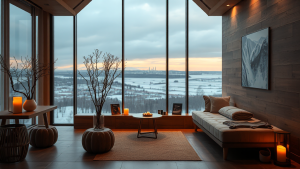
Enhance Your Home with Stylish and Efficient Aplica LED Lighting
Learn more about aplica led and how it applies to your specific needs.
Lighting is one of the most transformative elements in interior design. It sets the mood, defines spaces, and highlights architectural features. Among the many lighting options available, wall-mounted fixtures, particularly those using LED technology, have gained immense popularity. If you are looking to upgrade your home or office with modern, energy-saving illumination, understanding the world of is essential. These versatile fixtures combine aesthetic appeal with functional brilliance, making them a top choice for any room.
Learn more about aplice led and how it applies to your specific needs.
LED wall lights, often referred to as appliques, offer a unique blend of form and function. Unlike traditional bulbs, LEDs consume significantly less electricity and have a much longer lifespan. This means you can enjoy beautiful, ambient light without worrying about frequent replacements or high energy bills. Whether you are renovating a bathroom, updating a hallway, or adding a cozy touch to your living room, an can be the perfect solution for creating a warm and inviting atmosphere.
In this comprehensive guide, we will explore the many benefits, styles, and applications of LED wall lights. From practical tips on installation to creative ideas for different rooms, you will discover why these fixtures are a must-have for modern interiors. We will also delve into specific uses, such as in bathrooms, where moisture resistance and safety are paramount. By the end of this article, you will be equipped with all the knowledge needed to make an informed choice for your next lighting project.
Why Choose LED Wall Lights?
The shift from incandescent and fluorescent lighting to LED has been one of the most significant advancements in home technology. LED wall lights offer numerous advantages that go beyond simple energy savings. First and foremost, they are incredibly efficient. A typical LED fixture uses up to 80% less energy than a traditional incandescent bulb, which translates directly into lower electricity bills. Additionally, LEDs have an impressive lifespan, often lasting 25,000 to 50,000 hours or more. This longevity means you will not have to change bulbs frequently, reducing maintenance and waste.
Another key benefit is the quality of light. LEDs are available in a range of color temperatures, from warm white (2700K-3000K) to cool daylight (5000K-6500K). This allows you to create the perfect ambiance for any space. Warm light is ideal for bedrooms and living areas, while cooler light works well in kitchens and workspaces. Furthermore, LED wall lights are often dimmable, giving you even greater control over the mood. When you choose an , you are also selecting a fixture that is designed to withstand higher humidity levels, ensuring safety and durability in wet environments.
Beyond functionality, LED appliques are available in a stunning variety of designs. Whether you prefer minimalist, industrial, classic, or contemporary styles, there is a fixture to match your decor. Many models feature sleek lines, metallic finishes, or integrated diffusers that provide soft, glare-free illumination. This versatility makes them suitable for both residential and commercial spaces. By incorporating LED wall lights, you can highlight artwork, create dramatic shadows, or simply provide gentle pathway lighting.
Types of Aplica LED Fixtures
When shopping for LED wall lights, you will encounter several distinct types, each designed for specific purposes and placements. Understanding these categories will help you select the right fixture for your needs.
1. Upward and Downward Lights: These fixtures direct light either upward, downward, or both. Upward lights create a soft, indirect glow that can make a ceiling appear higher, while downward lights provide focused task lighting. Some models have adjustable heads, allowing you to change the direction of the beam.
2. Picture Lights: As the name suggests, these are designed to illuminate artwork or photographs. They are typically mounted above or below the piece and cast a narrow beam of light that highlights details without washing out colors.
3. Sconces: Sconces are classic wall-mounted fixtures that often feature decorative shades or arms. They can be used as accent lighting or as primary light sources in hallways and corridors. Modern LED sconces often incorporate integrated LEDs that are built into the fixture, eliminating the need for replaceable bulbs.
4. Reading Lights: These are practical fixtures with adjustable arms or pivoting heads, perfect for bedside tables or reading nooks. They provide focused, directional light that reduces eye strain.
5. Bathroom Appliques: Specifically designed for damp environments, these fixtures are sealed to prevent moisture ingress. They often have IP ratings (Ingress Protection) such as IP44 or IP65, indicating their resistance to water splashes. A is an excellent choice for bathroom vanity areas, providing even, shadow-free light for grooming.
Each type of fixture has its own installation requirements and aesthetic impact. For instance, an upward light can create a dramatic effect in a living room, while a picture light can turn a simple painting into a focal point. When selecting a fixture, consider the room’s function, the existing decor, and the desired lighting effect.
Creative Applications for LED Wall Lights
One of the greatest strengths of LED wall lights is their versatility. They can be used in virtually any room to enhance both form and function. Here are some creative ideas for incorporating them into your home.
Learn more about aplica baie and how it applies to your specific needs.
Living Room: In the living room, wall lights can serve as ambient lighting, task lighting, or accent lighting. Place a pair of sconces on either side of a sofa to create a cozy reading nook. Use upward lights to highlight a textured wall or a piece of art. For a modern look, install linear LED strips along the wall to create a floating effect. The key is to layer different light sources—overhead, floor, and wall—to achieve a balanced and inviting atmosphere.
Learn more about aplica led baie and how it applies to your specific needs.
Bedroom: Bedrooms benefit from soft, warm lighting that promotes relaxation. Wall-mounted reading lights on either side of the bed are a popular choice, freeing up space on nightstands. You can also install dimmable sconces to adjust the brightness according to your mood. For a touch of elegance, choose fixtures with fabric shades or brushed nickel finishes. An in the bedroom can provide just the right amount of light for winding down at night.
Hallways and Staircases: These transitional spaces often lack natural light, making well-placed wall lights essential. Install fixtures at regular intervals along a hallway to create a welcoming path. In staircases, lights can be mounted at low levels to illuminate steps and prevent accidents. Consider using motion-sensor LED lights for added convenience and energy savings.
Bathroom: The bathroom is one of the most important areas for good lighting. A is specifically designed to withstand moisture and provide bright, even light for tasks like shaving or applying makeup. Place fixtures on either side of a mirror to eliminate shadows on the face. For a spa-like feel, choose lights with a warm color temperature and a dimmer switch.
Outdoor Spaces: While this article focuses on indoor use, many LED wall lights are also suitable for covered outdoor areas like patios or porches. Look for fixtures with high IP ratings to ensure they can withstand rain and dust. Outdoor wall lights can enhance security and create a welcoming entrance.
Installation Tips and Considerations
Installing LED wall lights is a straightforward process, but it requires careful planning and attention to safety. Before you begin, consider the following factors.
1. Location and Height: The placement of your fixtures will significantly affect the lighting effect. For general ambient lighting, mount fixtures at eye level (around 60-66 inches from the floor). For reading lights, position them slightly lower, around 48-54 inches. In bathrooms, fixtures should be at least 6 feet away from the bathtub or shower to comply with electrical codes. Always check local regulations.
2. Electrical Wiring: If you are replacing an existing fixture, the wiring process is relatively simple. However, if you are adding a new fixture, you may need to run new wiring from a junction box. This is a job best left to a licensed electrician, especially if you are not experienced with electrical work. Always turn off the power at the circuit breaker before starting.
3. Choosing the Right Bulb or Integrated LED: Many modern wall lights come with integrated LEDs, meaning the light source is built into the fixture and cannot be replaced. While this simplifies installation, it also means you will need to replace the entire fixture if the LED fails. Other models use standard bulbs (e.g., GU10, E14) that can be replaced easily. Integrated LEDs often have a longer lifespan and are more energy-efficient.
4. Dimmers and Controls: To maximize flexibility, consider installing a dimmer switch. Not all LED lights are dimmable, so check the specifications before purchase. Dimmers allow you to adjust the brightness to suit different activities and moods. Some smart wall lights can even be controlled via smartphone apps or voice assistants.
5. Aesthetics and Style: Finally, choose a fixture that complements your decor. The finish (e.g., chrome, brass, matte black) should coordinate with other hardware in the room, such as faucets and door handles. The shape and size of the fixture should also be proportional to the wall space. A large sconce can overwhelm a narrow hallway, while a tiny light may get lost in a spacious living room.
By following these tips, you can ensure a safe and successful installation that enhances your home for years to come.
Energy Efficiency and Environmental Impact
One of the most compelling reasons to switch to LED wall lights is their positive impact on the environment. LEDs consume far less energy than traditional bulbs, which reduces the demand on power plants and lowers greenhouse gas emissions. In fact, if every household in the United States replaced just one incandescent bulb with an LED, the energy savings would be enough to power millions of homes for a year.
Additionally, LEDs contain no toxic elements like mercury, which is found in compact fluorescent lamps (CFLs). This makes them safer to use and easier to dispose of. Their long lifespan also means fewer bulbs end up in landfills. By choosing an , you are making a sustainable choice that benefits both your wallet and the planet.
Many LED wall lights are also designed with recyclable materials, such as aluminum or glass. When the fixture eventually reaches the end of its life, you can often recycle the components. Look for products with Energy Star certification or similar ratings to ensure maximum efficiency. Over time, the savings on electricity bills can offset the initial cost of the fixture, making LEDs a smart long-term investment.
FAQs
1. What is the difference between an LED wall light and a regular wall light?
The main difference is the light source. LED wall lights use light-emitting diodes, which are more energy-efficient, longer-lasting, and cooler to the touch than traditional incandescent or halogen bulbs. They also offer more design flexibility, as LEDs can be integrated into slim profiles and curved shapes.
2. Can I use an LED wall light in a bathroom?
Yes, but you must choose a fixture with an appropriate IP rating. For bathrooms, look for lights rated IP44 or higher, which are protected against water splashes. An is specifically designed for damp environments and is safe to use near sinks and mirrors.
3. Do LED wall lights require special wiring?
No, LED wall lights use standard household wiring (120V or 240V depending on your region). However, if you are installing a new fixture in a location without existing wiring, you may need to run new cables. Always consult a professional electrician for complex installations.
4. How do I clean and maintain LED wall lights?
Cleaning is simple. Turn off the power and let the fixture cool down. Use a soft, dry cloth to wipe away dust. For stubborn dirt, slightly dampen the cloth with water and a mild detergent. Avoid using abrasive cleaners or spraying liquid directly onto the fixture. Integrated LEDs require no bulb replacement, but you should periodically check for any signs of damage or moisture ingress.
5. Can I dim an LED wall light?
Many LED wall lights are dimmable, but not all. Check the product specifications for dimming capability. You will also need a compatible dimmer switch designed for LEDs. Using an incompatible dimmer can cause flickering or reduced lifespan.
Conclusion
LED wall lights are a brilliant addition to any home, offering a perfect blend of style, efficiency, and practicality. Whether you are looking to create a cozy bedroom retreat, a functional bathroom, or an inviting hallway, these fixtures provide the flexibility to achieve your vision. By choosing an , you are investing in a lighting solution that will serve you well for years, saving energy and enhancing your living space. From the sleek designs of modern sconces to the robust construction of bathroom-rated lights, there is a fixture for every need and taste.
Remember to consider the specific requirements of each room, such as moisture resistance in bathrooms or dimming capabilities in living areas. With proper installation and care, your LED wall lights will provide beautiful, reliable illumination that transforms your home. Explore the wide range of options available, and take the first step toward a brighter, more sustainable future.